From my last blog post: WHY CALORIE DEFICIT DIETS DON’T WORK………..
“The burning question:
If I can’t lose extra weight/fat by cutting calories or increasing exercise, how can I lose it?”
Simple Answer:
Maintain calorie intake but change the source (e.g. replace excess carbohydrates with protein/fats) and start weight training with the intention of building muscle mass.
Long Answer(still well worth reading, I promise)
The most common issue I see with friends, clients or random people who chat to me about their weight loss when they hear I work in a gym (it happens all the time!) is that their mind is blown, ok maybe not blown, but taken back with the simplicity of my answers. They don’t believe it can be that simple.
It sounds simple, but in reality, it’s not.
The question: “What’s the best way to lose weight?”
What they really mean: “What’s the fastest, easiest way, to lose body fat?”
The answer: A diet higher in fats and protein than your current one, and weight training.
What they actually hear: “Take protein powder, eat nothing but chicken fillets and nuts and get bulky as f**k by spending 5 days a week in the gym lifting weights.”
What they actually do: Train 2-3 times per week with a lack of intensity and only change their diet for a week or 2.
The end result? I’m a bad trainer because it didn’t work, they lose faith and don’t lose weight OR lose some at the start, plateau, and then re-gain the weight.
My previous post concluded by telling you that calorie deficit diets don’t work because your metabolism will adapt in an effort to maintain your current weight meaning long term you will see no weight loss or plateau after an initial loss.
Without getting too specific, the majority of people I know or have trained with, have excess body fat because they eat a surplus of carbohydrates (sugars), myself included!
Unused, these carbs are stored as body fat. You can take in too much fat and protein also, but it’s uncommon for the general population.
Unused is a key word here.
The body uses food for 1 thing: energy. Whether energy to fuel movement (from squats to blinking), your brain function or your internal processes from hormone control to digestion and everything in between. Food is fuel.
I know some of you reading this will now be asking yourself that if excess food is the problem surely I can just burn it off? Your metabolism will become more economical with its energy usage to maintain a calorie balance between in and out. So no, it’s not that simplistic.
Instead of dropping calories and increasing activity which slow the metabolism because they create a calorie deficit, we need to maintain calorie intake, changing the source and increase our metabolic rate.
HOW CAN I BOOST MY METABOLISM?
Increase your muscle mass with weight training.
Think of muscles as your engine. The more muscle mass you have, the bigger the engine. Therefore, the more energy you need on a daily basis.
A 1L Fiat Punto may get you to Dublin on €20 worth of fuel. A BMW X5 will do the same journey, but probably set you back €40 on fuel. It has a more powerful engine. It needs more energy to complete the same distance.
Adding muscle mass will do the same to your metabolism. It will increase energy expenditure causing an increase in metabolic rate.
Combined with a change in nutrition (from high carb, low fat/protein to reduced carb, higher fat/protein) you will begin to see positive changes in your body composition.
HOW DO I INCREASE MUSCLE MASS?
Firstly, if you are a woman who believes you will get “big and bulky” by completing a weight training program, you needn’t worry! It can be difficult for anyone to gain muscle mass, even men! It can depend a lot on your hormonal balance, nutrition and training plan.
This advice is for anyone: LIFT HEAVY.

There are a few guidelines though:
- “Heavy” is a relative term.
General hypertrophy (muscle building) rep ranges are from 8-15 reps. Heavy means a weight you can only lift, with good form, between 8-15 times. Too light and you could lift it 20 times, too heavy and you may only lift it 5 times.
- Lift smart.
Hypertrophy depends on TUT (Time Under Tension) so keep a tempo of 3-1-3 (lift – pause – lower). Lifting too quickly will reduce TUT and decrease stress to the muscle meaning a lack of growth. Stick to 3-6 sets and a rest period of 45s – 2 minutes depending on reps/sets and muscle groups worked.
- Utilise Big Movements.
There is a time and a place for isolation exercises but aim for the main part of your workout to be big compound movements like squats, rows, bench press, deadlifts etc. Your nervous system needs to be stimulated for muscle growth too and a full session of bicep curls and tricep dips will have your arms falling off but may not see you lose the belly.
- Be Consistent
Too many people will falter here. Training for 2-3 weeks and then taking a week or more off because of work, family, holidays just won’t cut it. You need to be consistent at being consistent.
- Don’t Wing It
I’ll keep this simple: Get a trainer. From expertise, accountability, programming and ensuring the correct exercise prescription undertaking any “program” without the input of a trainer may mean waiting longer for results.
So that’s the weight training stuff covered, but you still need answers on how to change your Nutrition?
Here’s a few ideas for you to apply to your daily routine.
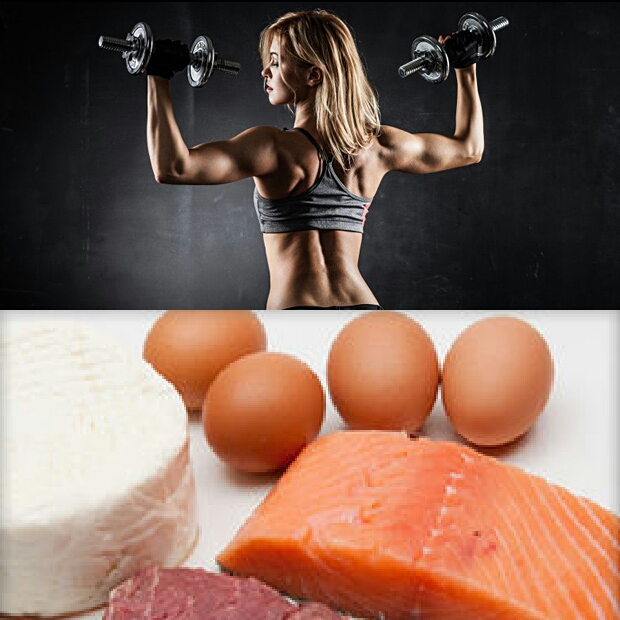
Replace your cereal for breakfast with a 2/3 egg omelette with spinach, peppers and tomato.
Replace your sandwich for lunch with chicken strips with veg and rice
Replace your potato and veg loaded dinner with a reduced amount of potato and veg with a salmon fillet.
I’ve written a blog you can read on meal ideas HERE. I always mention the hashtag “Don’t Aim For Perfect, Aim For Better” in my facebook posts and I believe that applies here. Make small sustainable changes in the short term.
For the next week focus on having a more protein based breakfast and work on lunch and dinner in the weeks to come. Rome wasn’t built in a day and don’t expect to change everything overnight.
Lastly – The 23:1 Ratio
I recently posed a question to a client, who said he hadn’t exercised in the past 2 years, but gained 2 stone within that time if he thought that lack of exercise was to blame. He thought about it and said “no, it’s because I’m eating shite!” There’s the problem. Nutrition.
Nutrition isn’t the only aspect of your life that can restrict your fat loss progress. Stress (physical and mental), lack of sleep, alcohol intake, smoking, drug use and your social circle can all have a big say in your life.
The 23 hours a day you spend outside the gym have a much bigger influence than the 1 hour you spend inside.
Mark.
Thanks for reading! As always if you would like to get in touch don’t hesitate to email markcaulfieldpt@gmail.com.
 markcaulfieldcoaching.ie
Leave a comment